
The world of children’s fashion has evolved into a billion-dollar industry, reflecting the deep-rooted desire of parents to provide the best for their offspring. The urge to dress children in designer labels is not a new phenomenon but has seen a significant surge in recent years, driven by various social factors and the influence of celebrity culture.

From the likes of Caramel Baby & Child to luxury online retailers such as Alex and Alexa, the market for designer childrenswear has witnessed remarkable growth. The internet, with its constant stream of paparazzi photos capturing celebrity kids in high-end outfits, has played a pivotal role in fueling the demand for upscale children’s fashion.

Celebrities like Kim Kardashian and Victoria Beckham have leveraged their children’s style to extend their personal brands, turning their offspring into fashion icons in their own right. The phenomenon of dressing children in designer clothes as a form of status symbol has become increasingly prevalent, with parents across the globe emulating the looks of celebrity kids.

While the trend of designer childrenswear may seem like a modern phenomenon, the concept of dressing children in fashionable attire dates back decades. In the post-World War II era, British parents began to aspire to more than just basic clothing for their children, setting the stage for the growth of the childrenswear market.

Leading fashion houses like Dior and Ralph Lauren paved the way for the expansion of designer childrenswear lines, with brands like Burberry reporting substantial revenue from this segment. The emergence of new designer labels catering specifically to children, such as Little Marc Jacobs and Stella McCartney Kids, further illustrates the industry’s evolution.
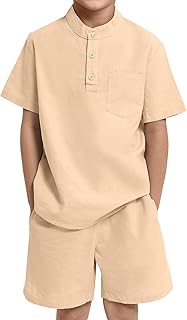
Designers like Roksanda Ilincic have entered the children’s fashion market, offering stylish yet practical clothing options for young ones. The shift towards sustainable and timeless designs has gained traction, with many parents opting for quality over conspicuous branding.

Moreover, a growing segment of style-conscious parents is turning to independent kids’ brands that prioritize natural materials and craftsmanship over flashy logos. The emphasis is on creating a nostalgic aesthetic that harks back to a simpler time, steering away from the ostentatious displays of wealth often associated with designer labels.
The allure of traditional styles like corduroy pinafores and button-through shirts has resonated with parents seeking to preserve a sense of childhood innocence and simplicity. This shift towards understated elegance reflects a broader societal trend of valuing authenticity and individuality over conspicuous consumption.
In a world where every child is a fashion icon in their own right, the children’s fashion industry continues to evolve, catering to the diverse preferences of parents and the changing dynamics of consumer culture. As parents seek to imbue their children’s wardrobes with a sense of charm and nostalgia, the market for designer childrenswear is poised for further growth and innovation.
📰 Related Articles
- Paramount Drive-In Theatre: Nostalgic Charm Meets Modern Upgrades
- Young Men’s Gambling Epidemic: Sports Betting’s Dangerous Rise
- Women’s Weekly Birthday Cakes: Nostalgic Delights and Challenges
- White Lion’s Rise and Fall Amid Grunge Revolution
- Western Australia’s Sandgroper Race Attains Group 1 Status in 2026