
Secondhand clothing sales are predicted to make up 10% of the global fashion market next year, driven by the cost of living crisis and sustainability concerns pushing consumers towards pre-loved garments. Global sales of pre-owned clothes escalated by 18% last year to $197 billion and are projected to hit $350 billion in 2028, as reported by GlobalData for resale specialist ThredUp. The surge in sales indicates a shift towards sustainable fashion choices amidst economic challenges.

James Reinhart, co-founder and chief executive of ThredUp, highlighted the resilience of the resale sector in challenging economic climates, emphasizing the importance of value for consumers during times of financial strain. The growth of the secondhand market outpaced overall fashion retail in the US, reflecting a shift in consumer behavior towards more sustainable and cost-effective shopping habits.

The appeal of secondhand items is not restricted to younger shoppers seeking trendy pieces but is extending across generations. Over half of all consumers globally have purchased secondhand items in the past year, with younger generations, particularly Gen Z and millennials, leading the trend. The affordability of higher-end brands is a significant factor driving the adoption of secondhand shopping among consumers.
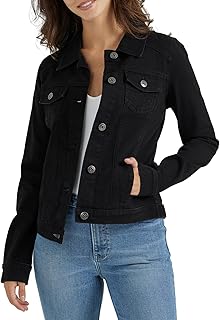
Digital platforms like Vinted, Depop, and ThredUp have facilitated the accessibility and convenience of secondhand shopping, with online resales projected to double in the next five years to reach $40 billion. The popularity of pre-loved fashion has transcended niche markets, with mainstream retailers embracing the trend by incorporating secondhand offerings in-store and online.

Childrenswear has emerged as the fastest-growing segment in the secondhand market, attracting interest from designer brands collaborating with resale specialists to promote sustainable fashion practices. The partnership between mainstream retailers and secondhand sellers signals a shift towards a more circular economy in the fashion industry, driven by consumer demand for sustainable alternatives.

Legislation aimed at curbing fast fashion’s environmental impact is motivating brands to adopt more sustainable practices, including promoting secondhand sales and reducing textile waste. The impending regulations are expected to drive further innovation and collaboration within the fashion industry to address sustainability challenges.

Despite substantial sales growth, online fashion sellers like Vinted and Depop have struggled to achieve profitability, reporting significant pre-tax losses in recent years. ThredUp, while also facing financial challenges, anticipates breaking even this year as sales continue to rise and profit margins improve, reflecting the evolving landscape of the secondhand fashion market.
The increasing popularity of secondhand clothing reflects a broader shift towards sustainable and value-driven consumer behavior, reshaping the global fashion industry and encouraging greater collaboration between traditional retailers and resale specialists. As the demand for pre-loved fashion continues to rise, brands and retailers are adapting their business models to meet evolving consumer preferences and sustainability goals.
📰 Related Articles
- Platinum Prices Surge in UAE Market Amid Global Shift
- Global Recycled Paper Packaging Market Surges Amid Sustainability Shift
- Willingness to Spend on Organic Beauty Reflects Sustainability Shift
- WHSmith Eyes Global Expansion Amid Revenue Growth Surge
- Unibail-Rodamco-Westfield to Delist from ASX Amid Market Shift